Environments and Expectations
Understanding Your Work Environment
As a front-of-house security officer, your work environment is dynamic and ever-changing. The physical space, the people you interact with, and the tasks you are assigned all contribute to the nature of your role. Whether you’re working in a corporate building, a healthcare setting, or a busy retail store, each environment comes with its own unique set of expectations and challenges.
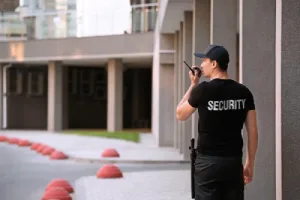
Understanding these environments and the expectations placed on you is crucial for performing your role effectively and maintaining a professional, secure atmosphere. Let’s break down what you can expect in various environments and how to adapt to them.
Types of Front-of-House Environments
Your duties as a front-of-house security officer will vary depending on the type of environment you are assigned to. Each setting has different risks and requires specific knowledge and skills.
Common Environments:
- Corporate Offices: These environments often have high-value assets and confidential information. Security officers are expected to manage access control, monitor CCTV, and ensure that staff and visitors adhere to company policies.
- Retail Stores: Retail environments come with the added risk of theft and fraud. Front-of-house officers in this setting may need to keep an eye on high-value areas, assist customers, and handle potentially difficult situations involving customers.
- Hospitals or Healthcare Settings: These environments may involve more high-pressure situations, such as dealing with distressed individuals or assisting in emergency medical scenarios. Officers are often tasked with ensuring the safety of patients, staff, and visitors while maintaining a calm, reassuring presence.
- Event Venues: Whether it’s a conference centre or a concert hall, event security requires you to manage large crowds, ensuring that everyone is safe and that the event runs smoothly.
Understanding Expectations in Different Environments
Each of these environments comes with specific expectations that will guide your actions as a front-of-house officer. Knowing these expectations helps you perform your role effectively and with confidence.
Corporate Offices:
- Expectations: High attention to detail, maintaining access control systems, and being vigilant about potential security breaches.
- Example: In a corporate building, a visitor arrives unannounced. You must follow the access control procedures, check their credentials, and ensure they are authorised to enter.
Retail Stores:
- Expectations: Be vigilant, provide customer service, and manage access to high-value areas like electronics or cash registers.
- Example: You notice someone acting suspiciously near the electronics section. Using your knowledge of retail security procedures, you discreetly monitor the individual, and intervene if necessary.
Healthcare Settings:
- Expectations: Handle sensitive information, manage distressed individuals calmly, and be prepared for medical emergencies.
- Example: A visitor is causing a disturbance in the waiting area. You remain calm, address the situation politely, and escalate to a supervisor if needed.
Event Venues:
- Expectations: Crowd management, emergency response, and ensuring everyone adheres to event policies (e.g., no weapons, alcohol limits, etc.).
- Example: A guest attempts to enter the venue with prohibited items. You politely ask them to return the item to their car, ensuring a safe environment for all attendees.
Adapting to Changing Environments and Expectations
As a front-of-house security officer, your role requires constant adaptability to different environments. Each location brings its own set of challenges, such as varying levels of foot traffic, security needs, and types of visitors. Being flexible is crucial in ensuring you can meet the specific expectations of your environment while maintaining safety and professionalism. Whether you are at a busy retail store, an office building, or an event venue, you must stay alert and adjust your approach based on the unique needs of the situation.
Key Considerations:
- Observe peak times: Be aware of high-traffic periods, such as lunch breaks or event start times.
- Understand the flow of people: Recognising how visitors and staff move through the building can help you manage access points more effectively.
- Adapt to the environment: Your role in a hospital will require a different approach compared to an office building. Always adjust your methods based on the surroundings.
- Prepare for special events: Anticipate changes in security requirements during conferences, visitor days, or high-profile events.

Tip:
- When you start at a new location, take the time to observe how things operate during different times of day. Understand peak hours, the flow of traffic, and any special events or high-risk situations that might occur.
Key Considerations When Working in Various Environments
| Key Consideration | Details |
|---|---|
| Know Your Environment | Understand the layout, procedures, and emergency contacts specific to your workplace, whether it’s a healthcare facility, office, or event venue. Being familiar with the environment helps you respond effectively to any situation. |
| Stay Professional at All Times | Your behaviour directly reflects the organisation’s reputation. Always maintain a neat uniform, interact politely with visitors, and ensure that your responses are calm and measured, regardless of the environment. |
| Keep Calm in Stressful Situations | In environments such as hospitals or busy event venues, stressful situations can arise. Remaining calm, following protocols, and handling issues with composure is essential to managing the situation effectively. |
Real-World Example: Security Officer in a Retail Environment
| Scenario | Action Taken |
|---|---|
| A customer seems to be eyeing high-value electronics in a retail store. | The officer discreetly observes the customer, maintaining a visible presence. If the customer attempts to take an item without paying, the officer calmly intervenes and alerts store management, following the store’s loss prevention protocol. |
| A shopper complains about waiting in line at a self-checkout. | The officer listens to the shopper’s complaint, offering assistance by directing them to another checkout while remaining polite and professional. This de-escalates the situation and improves the customer’s experience. |
Handling Unpredictable Situations in Front-of-House Security
While your role as a front-of-house security officer may seem routine at times, unpredictable situations can arise unexpectedly. Being prepared and adaptable is essential to handling these situations effectively.
- Stay Alert: Be ready for unexpected incidents, whether it’s a disgruntled employee, an unplanned visitor, or an emergency.
- Follow Protocol: Always stick to the established procedures, ensuring consistency and security.
- De-escalate Effectively: In tense situations, use calm communication to defuse conflict and maintain control.

Example
- A dismissed employee tries to enter a corporate building. You calmly verify their status, explain the policy, and handle the situation without escalating further, ensuring the workplace remains safe and secure.
Continuous Adaptation to Expectations and Environment
To be successful in front-of-house security, continuous adaptation to evolving expectations and work environments is crucial.
- Stay Flexible: Be prepared to adjust to new procedures, high-traffic periods, and changing security needs.
- Seek Professional Development: Always look for opportunities to expand your skills and knowledge.
- Reflect and Improve: Take time to assess past situations and identify areas for improvement.
Tip:
- Actively seek feedback from colleagues and supervisors to enhance your performance and stay current with the latest industry standards, ensuring you’re always prepared for the next challenge.