What is Front-of-House Security
Front-of-house security is a vital role in ensuring the safety and security of a building while presenting a professional and approachable first impression. As the first point of contact for anyone entering the premises, front-of-house officers are responsible for monitoring and controlling access, managing visitors, and ensuring the security of the building’s entry points. This role demands a unique combination of security awareness, customer service, and professionalism.
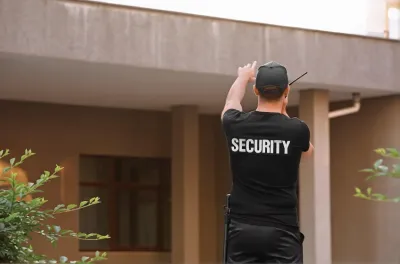
The Role and Responsibilities of Front-of-House Security Officers
The role of a front-of-house security officer goes beyond just keeping the building secure. It involves a range of responsibilities, such as:
- Access Control: Verifying the identities of visitors, employees, and contractors.
- Visitor Management: Logging visitor details, issuing temporary passes, and directing them to the appropriate departments.
- Surveillance: Monitoring CCTV, maintaining situational awareness, and identifying potential security risks.
- Handling Incidents: Dealing with emergencies or security breaches and reporting them appropriately.
- Maintaining Professionalism: Ensuring that your behaviour, appearance, and interactions with others reflect well on your organisation.

Example
- A visitor arrives at a corporate building without an appointment. You follow the standard procedure by verifying their ID, contacting the host to confirm their details, and granting them access only after verification. This ensures the safety of the premises while maintaining a positive experience for the visitor.
Managing Access and Monitoring Entry Points
A key responsibility for front-of-house security officers is controlling who enters the building and ensuring only authorised individuals gain access. Managing entry points is more than just verifying someone’s identity; it’s about safeguarding restricted areas, preventing security breaches, and maintaining an orderly flow of people into the premises. Whether you’re using manual checks, scanning passes, or overseeing electronic entry systems, your role in managing access is crucial for maintaining security.
In practice, access control may involve:
- Checking IDs: Ensuring that all visitors or employees have valid identification or access passes before entering the building.
- Scanning Badges: Many offices use badge scanning systems to allow authorised personnel into the building. It’s important to remain vigilant and ensure the badge is valid and belongs to the person using it.
- Issuing Temporary Passes: For visitors or contractors who don’t have regular access, issuing temporary passes while keeping a log of their visit is important for security tracking.
- Electronic Entry Systems: Many modern buildings use keycards or biometric systems to control access to restricted areas. Familiarising yourself with these systems will improve your efficiency and effectiveness.

Tip:
- Always check identification thoroughly, and follow the access protocols. Never let anyone into restricted areas without proper authorisation, even if they seem familiar or claim they are expected.
Handling Visitor Management and Logs
Managing visitors is a crucial part of your role as a front-of-house security officer. This involves ensuring all visitors sign in, get the necessary passes, and are escorted if needed. Keeping accurate records of visitors is important for both security and emergency purposes.
| Visitor Information | Action Taken |
|---|---|
| Visitor Name: John Smith | Verified via ID, escorted to the meeting room |
| Visitor Name: Sarah Brown | Logged into the system, issued a visitor badge, and sent it to the correct department |
| Visitor Name: Alan Lee | Confirmed appointment, escorted to the meeting room |
| Visitor Name: Emily Davis | Requested to wait in the reception area, informed the department of the delay |
Key Skills for Front-of-House Security Officers
Success in this role relies on a variety of skills, including:
- Vigilance: Being alert and attentive to your surroundings at all times, both when interacting with people and while monitoring security systems.
- Communication: Clear, concise communication is essential when interacting with visitors, staff, and emergency services.
- Problem-Solving: Ability to assess situations quickly and make decisions that benefit the security and safety of everyone in the building.
- Customer Service: You will often be the first person a visitor meets, so providing excellent customer service while maintaining security is crucial.
Dealing with Emergencies
Emergencies can strike at any time, and as a front-of-house security officer, your ability to manage these situations quickly and effectively is critical. Whether it’s a fire alarm, medical emergency, or a potential security threat, your actions will have a significant impact on the safety of everyone involved.
Remaining calm under pressure is essential, as it helps prevent panic and ensures clear decision-making. A successful emergency response is all about following established procedures, staying composed, and ensuring the safety of visitors and staff. You must be ready for the unexpected, whether it’s a minor incident or a major emergency.

Scenario
- Imagine the fire alarm goes off during a busy morning shift. People start to panic, but you remain calm and assertively direct them to the nearest exits, ensuring they remain calm as well. You perform a headcount to ensure no one is left behind in the building and communicate clearly with the emergency services upon arrival. Your swift actions prevent any injury or confusion during the evacuation.
Real-World Example: Front-of-House Security Incident
| Scenario | Action Taken |
|---|---|
| A visitor arrives at a business conference but can’t locate their host. | The officer confirms the visitor’s details, contacts the host, and escorts the visitor to the right location, ensuring a smooth, professional interaction. |
| A suspicious individual attempts to enter the building without clearance. | The officer calmly asks the individual to wait while verifying their credentials. After confirming they are not authorised, entry is denied, and the supervisor is informed. |
| A visitor becomes frustrated at the security check and tries to argue. | The officer remains calm and firm, explaining the security protocols clearly and politely, defusing the situation without escalating it. |
Maintaining a Professional Presence
In your role as a front-of-house security officer, you are a key representative of the organisation. Your professionalism, appearance, and approachability set the tone for everyone who enters the building. Whether you’re assisting a visitor or dealing with a security issue, how you conduct yourself matters.
Maintaining a professional presence goes beyond just wearing the right uniform. It’s about projecting confidence, exhibiting authority, and most importantly, ensuring that visitors feel safe and welcome. People will often take cues from your behaviour, so demonstrating authority with a calm, respectful demeanor is essential for building trust and respect.
Example
- During a busy event, a guest feels uneasy and approaches you for help. You greet them warmly, listen to their concern, and provide assistance while still managing the security needs of the building. Your calm and professional approach reassures them, and they leave with a positive experience.
Continuous Improvement and Professional Development
In the security industry, particularly in front-of-house roles, things are constantly evolving. New technologies, procedures, and challenges emerge all the time. As a front-of-house security officer, it’s your responsibility to stay current and continuously improve your skills and knowledge. This is essential not just for your personal growth, but for ensuring the safety and effectiveness of the security measures in place.
Continuous improvement involves more than just training. It’s about reflecting on your performance, seeking feedback, and adapting to new challenges. Whether it’s improving your communication skills, learning to handle new security equipment, or understanding changes in emergency procedures, every improvement you make enhances the service you provide.
Tip
- Actively seek feedback from your peers, supervisors, and even visitors. Reflect on what went well and areas that could be improved. Use this information to hone your skills and stay ahead in your role.