
Theft Incidents in UK Retail Stores are becoming an increasing concern for businesses across the country. From small shops to large retail chains, theft can lead to significant financial losses and operational challenges. For security officers and retail staff, understanding how to properly collect and handle evidence is crucial. Not only does it help in preventing future incidents, but it also ensures that any legal action taken is supported by accurate and reliable information.
In this guide, we will explain how to effectively manage theft incidents in UK retail stores, what type of evidence should be collected, and how security professionals can handle these situations in a professional and compliant manner.
Why Evidence Collection Matters in Theft Incidents
When dealing with theft incidents in UK retail stores, evidence plays a key role. Without proper evidence, it becomes difficult to take action against offenders or even report incidents accurately.
Effective evidence collection helps in:
- Supporting investigations
- Assisting law enforcement
- Preventing repeat offences
- Protecting staff and customers
- Reducing financial losses
Retail businesses that follow proper evidence collection procedures are more likely to handle theft incidents efficiently and professionally.
Before collecting evidence, it is important to understand the different types of theft incidents in UK retail stores.
1. Shoplifting
This is the most common type of retail theft, where individuals attempt to leave the store without paying for goods.
2. Employee Theft
Internal theft by staff members can sometimes go unnoticed but can cause serious losses over time.
3. Organised Retail Crime
Groups working together to steal high-value items from stores.
4. Refund Fraud
Returning stolen goods or using fake receipts to obtain refunds.
Understanding these types helps security staff respond appropriately and collect relevant evidence.
Key Steps for Evidence Collection in Theft Incidents
Handling theft incidents in UK retail stores requires a structured approach. Below are the essential steps:
1. Observe and Identify Suspicious Behaviour
The first step is to identify suspicious activity. Security officers should monitor:
- Unusual customer behaviour
- Concealment of items
- Avoidance of staff or CCTV areas
Training plays an important role here. Courses like Retail Security Officer Awareness Training can help staff recognise early warning signs of theft.
2. Use CCTV Footage Effectively
CCTV is one of the most valuable tools when dealing with theft incidents in UK retail stores.
Make sure to:
- Record clear footage of the incident
- Capture the suspect’s face and actions
- Save and securely store the footage
CCTV evidence is often critical when reporting incidents or taking legal action.
3. Collect Witness Statements
Witnesses can provide valuable insights into what happened during the incident.
Important points:
- Take statements as soon as possible
- Record accurate details
- Include staff and customer observations
This helps build a stronger case when handling theft incidents in UK retail stores.
4. Secure Physical Evidence
Physical evidence may include:
- Stolen items
- Receipts
- Packaging
- Tools used for theft
Ensure that all items are handled carefully and stored securely to maintain their integrity.
5. Complete an Incident Report
Every theft incident should be documented properly.
A good report should include:
- Date and time of the incident
- Description of the suspect
- Details of stolen items
- Actions taken by staff
Accurate reporting is essential for managing theft incidents in UK retail stores and improving future prevention strategies.
Role of Security Officers in Theft Incidents
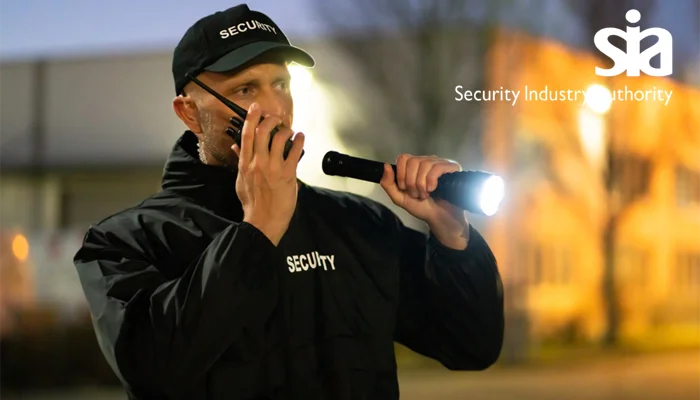
Security officers play a vital role in managing theft incidents in UK retail stores. Their responsibilities include:
- Monitoring store activity
- Preventing theft
- Handling suspects professionally
- Collecting and recording evidence
- Ensuring safety of customers and staff
Proper training enhances these skills. For example, the Award in Retail Shoplifting Awareness and Deterrence helps security professionals understand how to deter theft and respond effectively.
Handling Suspects Professionally
When dealing with suspects during theft incidents in UK retail stores, it is important to remain calm and professional.
Key guidelines:
- Avoid confrontation unless necessary
- Follow store policies
- Respect legal boundaries
- Ensure personal safety
Conflict situations can arise during theft incidents. Training such as Retail Customer Conflict and Complaints Handling can help staff manage difficult situations confidently and safely.
Preventing Future Theft Incidents
Prevention is always better than reaction. Retail businesses can reduce theft incidents in UK retail stores by:
- Improving store layout
- Increasing staff awareness
- Using effective surveillance systems
- Providing proper training
Loss prevention strategies are essential. Courses like Retail Loss Prevention and Store Detective provide valuable knowledge on identifying risks and preventing theft.
Common Mistakes to Avoid
When handling theft incidents in UK retail stores, avoid these common mistakes:
- Failing to collect proper evidence
- Not documenting incidents correctly
- Ignoring suspicious behaviour
- Mishandling suspects
- Losing or deleting CCTV footage
Avoiding these mistakes can significantly improve how theft incidents are managed.
Importance of Training in Retail Security
Training is one of the most effective ways to handle theft incidents in UK retail stores.
Well-trained staff can:
- Identify risks early
- Handle incidents professionally
- Collect accurate evidence
- Reduce overall theft
Investing in proper training not only improves security but also enhances staff confidence and professionalism.
Final Thoughts
Managing theft incidents in UK retail stores requires a combination of awareness, training, and proper procedures. Evidence collection is a critical part of this process, helping businesses respond effectively and prevent future losses.
By understanding how to identify theft, collect evidence, and handle incidents professionally, security officers and retail staff can play a key role in maintaining a safe and secure retail environment.
Taking proactive steps today, including training and improved security practices, can make a significant difference in reducing theft and protecting your business.